Curriculum
Introduction to Sea Freight
Module 1: Introduction
0/5


Module 2: Terminology & Essential Documents
0/3
Module 3: Types of Shipping Services
0/4
Module 4: Process Flow
0/3
Module 5: Shipping Containers
0/4
Module 6: International Trade
0/3
Module 7: Sea Freight Pricing and Costs
0/4
Module 8: Common Challenges in Sea Freight
0/3
Module 9:Adding Value in Sea Freight Roles
0/4
Module 10: Review & Assessment
0/2
Overview of Different Container Types
There are various types of shipping containers, each designed to meet specific cargo needs. They come in various sizes, typically 20, 40, or 45 feet, with standard height and high cube options available for when additional vertical space is needed. Below are the most commonly used containers and their applications in sea freight.
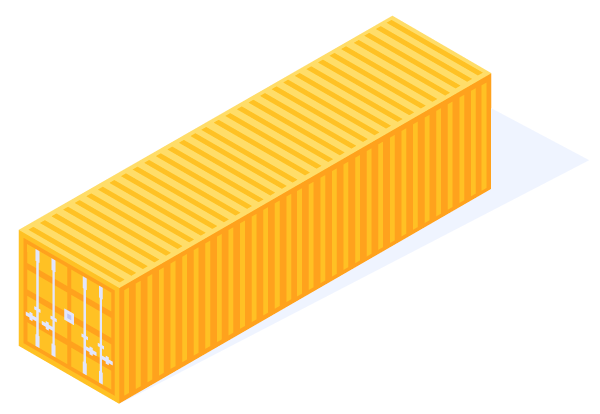 |
General Purpose ContainerThe versatile backbone of sea freight, designed to transport a wide range of non-perishable goods efficiently and securely. |
Example: A 40-foot general purpose container carrying an assortment of office supplies, including desks, chairs, and stationery, efficiently transported to Singapore to restock a corporate distribution center.
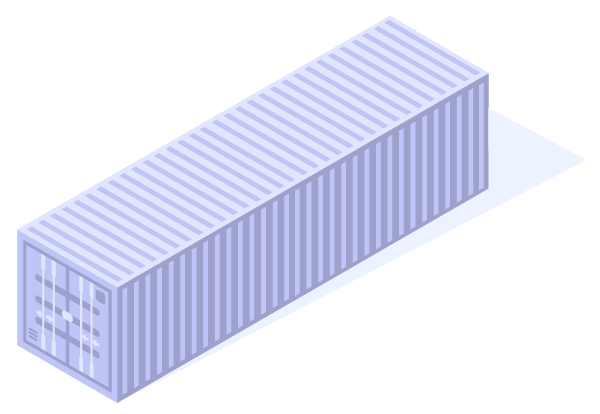 |
Refrigerated Container (Reefer)Specialized for transporting temperature-sensitive cargo, ensuring consistent conditions throughout the journey. |
Example: A reefer container maintaining a steady -18°C to deliver frozen seafood from Norway to a wholesale distributor in Japan.
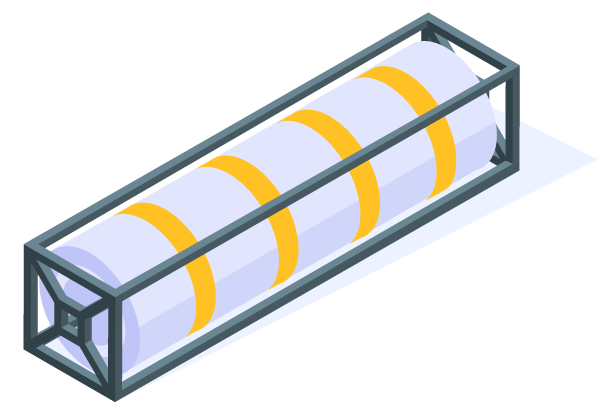 |
Tank ContainerDesigned for the secure transportation of liquid and gaseous cargo, including chemicals and food-grade products. |
Example: A stainless steel tank container safely transporting 20,000 liters of edible oil from Malaysia to a food processing facility in the UAE.
 |
Flat Rack ContainerIdeal for oversized or heavy cargo that cannot fit into standard containers, offering a sturdy open-frame structure. |
Example: A flat rack container transporting an industrial excavator from Germany to a construction site in Brazil, securely lashed for stability.
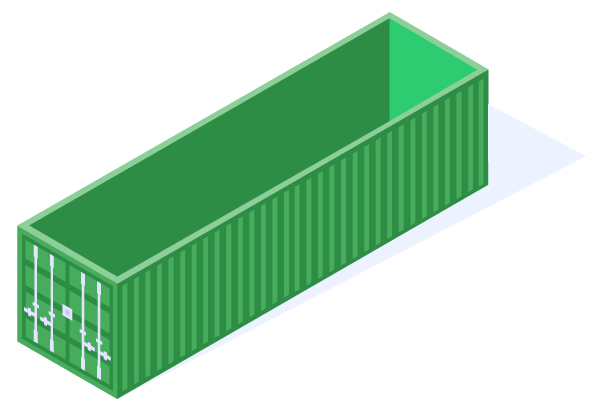 |
Open Top ContainerEngineered for tall or bulky cargo, allowing for top-loading with cranes or specialized equipment. |
Example: An open top container loaded with large steel beams for a bridge construction project, shipped from South Korea to Australia.
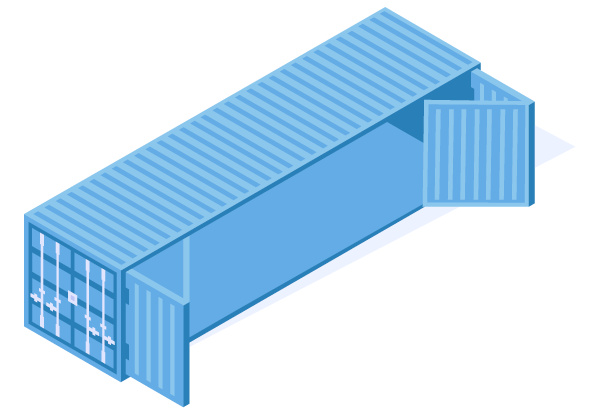 |
Side Opening ContainerDesigned for efficient loading and unloading of wide or irregularly shaped cargo through side-access doors. |
Example: A side opening container carrying palletized lumber, enabling quick loading at a mill in Canada for delivery to a furniture manufacturer in Mexico.
Other Container Types
In addition to the common container types listed above, there are also specialized options such as insulated, half-height, and special-purpose containers, each designed for unique cargo needs. These containers are tailored to specific application requirements, ensuring safe and efficient transport for a wide range of goods.